
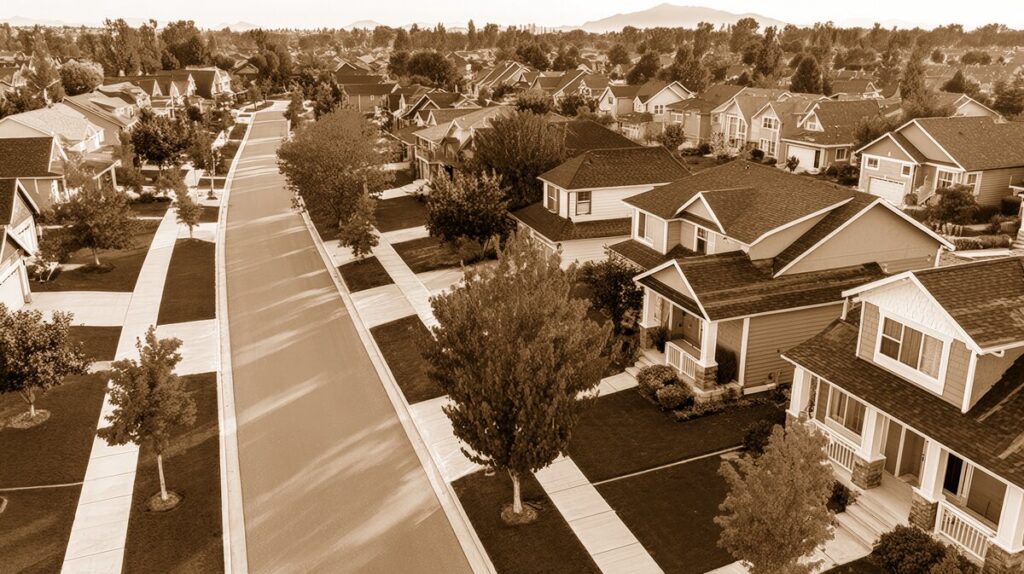
Nestled just south of downtown, Highland Park has long been one of Birmingham’s most beloved neighborhoods—a place where history and heritage linger beneath the leafy oaks and along the gentle slopes. This distinctive community’s rich past and vibrant character make it a treasure for longtime residents and newcomers alike. Whether you’re wandering past Victorian homes or enjoying the beauty of its iconic parks, Highland Park’s story is woven into every street corner.
The Origins: Roots in Birmingham’s Early Years
Highland Park’s beginnings trace back to the late 19th century—just a couple of decades after Birmingham’s founding in 1871. As the city’s industrial core thrived, residents looked for idyllic spaces away from the bustle, yet close to the city’s heart. Developers, inspired by the “streetcar suburb” movement seen in other growing cities, saw promise in the rolling hills south of downtown. They envisioned a picturesque neighborhood that would blend scenic beauty with urban convenience.
It was in the 1880s and 1890s, as streetcar lines extended outward from the city center, that Highland Park began to bloom. The extension of Highland Avenue was central to this transformation, providing a graceful artery that wound through the area’s newly platted lots and parks.
How Highland Park Got Its Name
The name “Highland Park” reflects both geographic and inspirational roots. The term “highland” signifies the area’s elevated terrain—its hills offering sweeping views of downtown Birmingham. “Park,” meanwhile, came from the city’s commitment to green public spaces. The centerpiece of this promise was Highland Avenue, intentionally designed with three lush linear parks: Rhodes Park, Caldwell Park, and Rushton Park. The name aspired to conjure images of a genteel, healthy, and cohesive community, making it instantly attractive for families and professionals seeking refuge from the smokier parts of old Birmingham.
Key Historical Milestones
Throughout the decades, Highland Park has seen moments of change and resilience that defined its character:
- 1884: The Highland Park streetcar line opens, spurring a flurry of residential and commercial development as well-to-do families seek homes in the suburb.
- 1892: The founding of Highland Park Golf Course—now one of the oldest public golf courses in the South and a beloved community anchor on Highland Avenue.
- Early 1900s: Hotels, cottages, and grand homes spring up along avenues like Pawnee and Clairmont, many reflecting ornate Victorian, Neoclassical, and Tudor Revival styles.
- 1930s–40s: The Great Depression and World War II bring new challenges. Several older homes become boarding houses or apartments, but the neighborhood’s charm persists.
- 1970s–80s: Preservation efforts intensify as residents form neighborhood associations, hoping to safeguard both the architectural legacy and the green spaces that define the area.
- 2000s–Present: Highland Park becomes a model of urban revitalization, attracting a diverse mix of residents eager to honor its past while building a vibrant, welcoming future.
Notable Landmarks and Buildings
Highland Park is a patchwork of architectural gems and community landmarks. Here are a few highlights every visitor—or resident—should know:
- Highland Park Golf Course: Opened in 1903, this public course was renamed in honor of Charlie Boswell, a Birmingham native and hero of World War II whose story is nothing short of inspiring. The course’s clubhouse offers panoramic views and a reminder of Highland Park’s link to recreation and leisure.
- Temple Emanu-El: Located on Highland Avenue, this historic synagogue, completed in 1912, remains a cornerstone of the neighborhood’s diverse religious and cultural heritage.
- Rhodes Park, Caldwell Park, and Rushton Park: Each park, tucked along Highland Avenue, provides a leafy refuge amid the cityscape—perfect for picnics, dog walking, or evening strolls.
- St. Mary’s-on-the-Highlands Episcopal Church: Established in 1892 and boasting striking Gothic Revival architecture, this congregation has been a spiritual and community beacon for generations.
- Classic Apartment Buildings: The Claridge, Redmont, and Highland Plaza buildings, some dating back to the 1920s, add a stylish flair to the neighborhood skyline.
Specific Streets and Institutions: Where Stories Unfold
Take a walk down Highland Avenue and you’ll quickly see why it serves as the neighborhood’s backbone. Here’s a snapshot of key thoroughfares and landmarks:
- Highland Avenue: The historic parks, gracious homes, and signature lamplights make this one of Birmingham’s most photographed—and best loved—streets.
- Clairmont Avenue: A hub of neighborhood life, this street is lined with coffee shops, local restaurants, and a mix of residential styles.
- 13th Avenue South: Offers glimpses of some of Highland Park’s earliest homes—restored and lovingly maintained.
- Virginia Samford Theatre: Tucked on 26th Street South, this beloved community theater is a vital cultural institution, hosting performances that bring the community together.
Evolution Over the Decades
Highland Park’s ability to evolve while keeping its historic heart has made it a model for other Birmingham neighborhoods. In the mid-20th century, like many parts of the city, it experienced shifts as families moved to newer suburbs. However, instead of succumbing to decline, Highland Park saw a groundswell of resident-led activism that preserved its green spaces, restored grand homes, and championed a walkable, people-focused environment.
Today, Highland Park is vibrant and diverse. Craftsman bungalows rub shoulders with stately mansions, and classic apartment buildings stand near colorful gardens. The neighborhood’s mix of longtime residents, young professionals, empty-nesters, and new families creates a lively, warm atmosphere.
The Soul of Highland Park: Community and Connection
At its core, Highland Park is more than beautiful homes and historic streets—it’s the people and the way neighbors connect. The Highland Park Neighborhood Association and local business owners work tirelessly to host events, maintain parks, and preserve the area’s unique spirit. From porch concerts to seasonal festivals in Rushton Park, there’s always something happening that draws people together.
Why Highland Park Endures
Highland Park remains one of Birmingham’s crown jewels—not just for its storied past and architectural wonders, but for its enduring sense of place. Whether you’re drawn by the history, the nature, or the neighborly warmth, this timeless corner of the city continues to inspire and invite, promising that its best stories are always just around the next bend on Highland Avenue.